
How to Find Recently Released Queens County Inmates
NYC DOC does not publish a clean Queens released roster. Release verification takes a few steps. Start with the NYC DOC inmate lookup. Search by book and case number first, then by name and birth date. If the person no longer appears, that can signal a release. The tool may also show release-related status for a short time, depending on how the system behaves that day.
The lookup alone is not proof. A person can leave DOC custody for many reasons. They may have posted bail, won a dismissal, taken a plea to time served, or finished a short city sentence. They may also have moved to state prison, federal custody, a hospital, or another county on a warrant. Each path needs a different check.
Two more steps lock it down. Check the most recent Queens Criminal Court or Supreme Criminal Term appearance if a case is open, which you can trace through the Queens County court records tools. Then ask the defense attorney, who often holds the release order. For the current-custody side of this, the Queens County inmate records page covers the live lookup in detail.
Setting Up Release Notifications
You do not have to refresh a lookup every day. VINELink can send an alert when custody status changes. You register a phone number or email, pick New York, and tie the alert to a person. When that person is released, transferred, or moved, the system tries to notify you. It is a helpful aid for victims and families.
Treat VINELink as a notice tool, not a legal record. It is not the official court file and should not be your only proof of custody status. Confirm anything important with the court or DOC.
You can register and search through VINELink by selecting New York and entering a name or offender number.
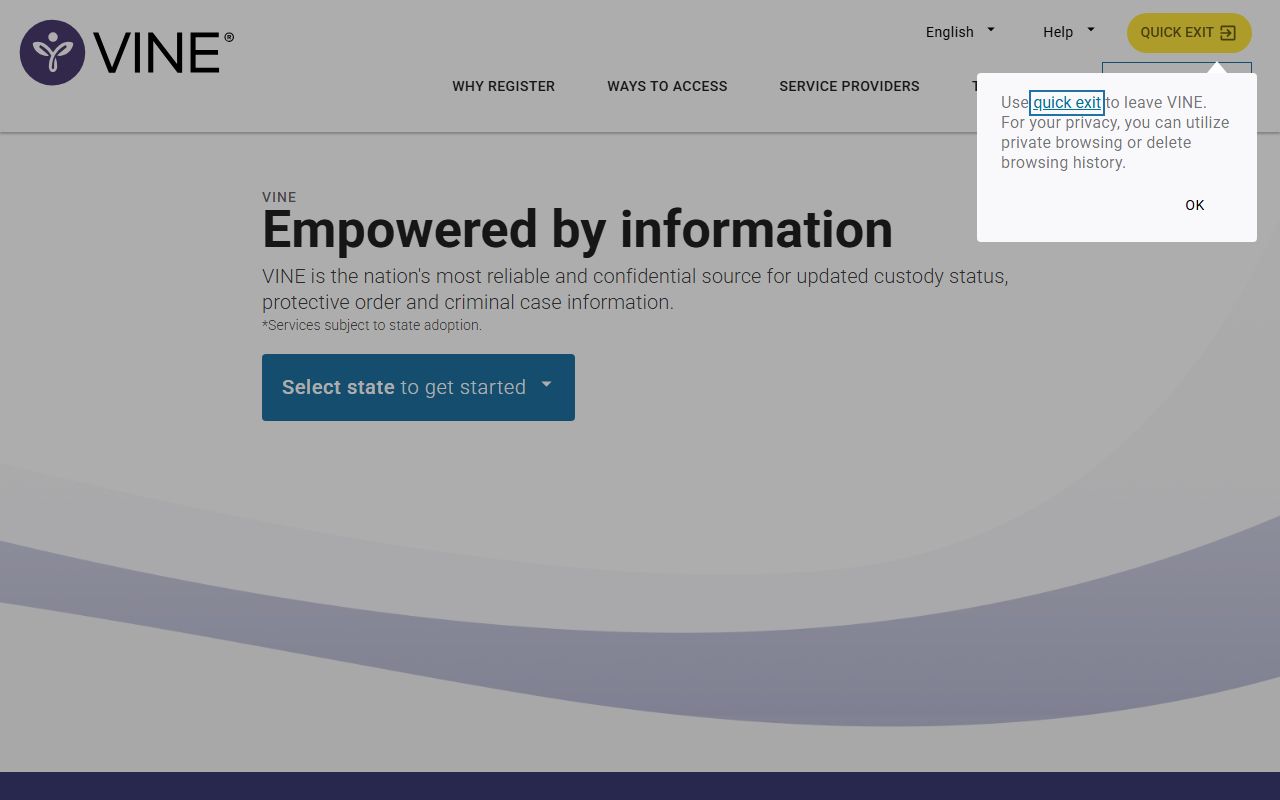
The VINELink form asks for a state, a search type, a name or ID, and your contact details for the alert. A PIN or account workflow protects the notification so updates reach the right person.
Note: VINELink is a notification aid only, so always confirm a release or transfer through the court docket or the holding agency before acting on it.
Searching State and Federal Released Queens County Inmates
City custody is only one layer. If a Queens defendant got a state prison sentence, the person left DOC and entered the state system run by DOCCS. The state tool tracks current custody, parole, and release for state prison cases. It uses its own ID numbers, so a city book number will not match.
You can run a state search through the DOCCS inmate lookup using a department number, a state ID, or a name with a birth year.
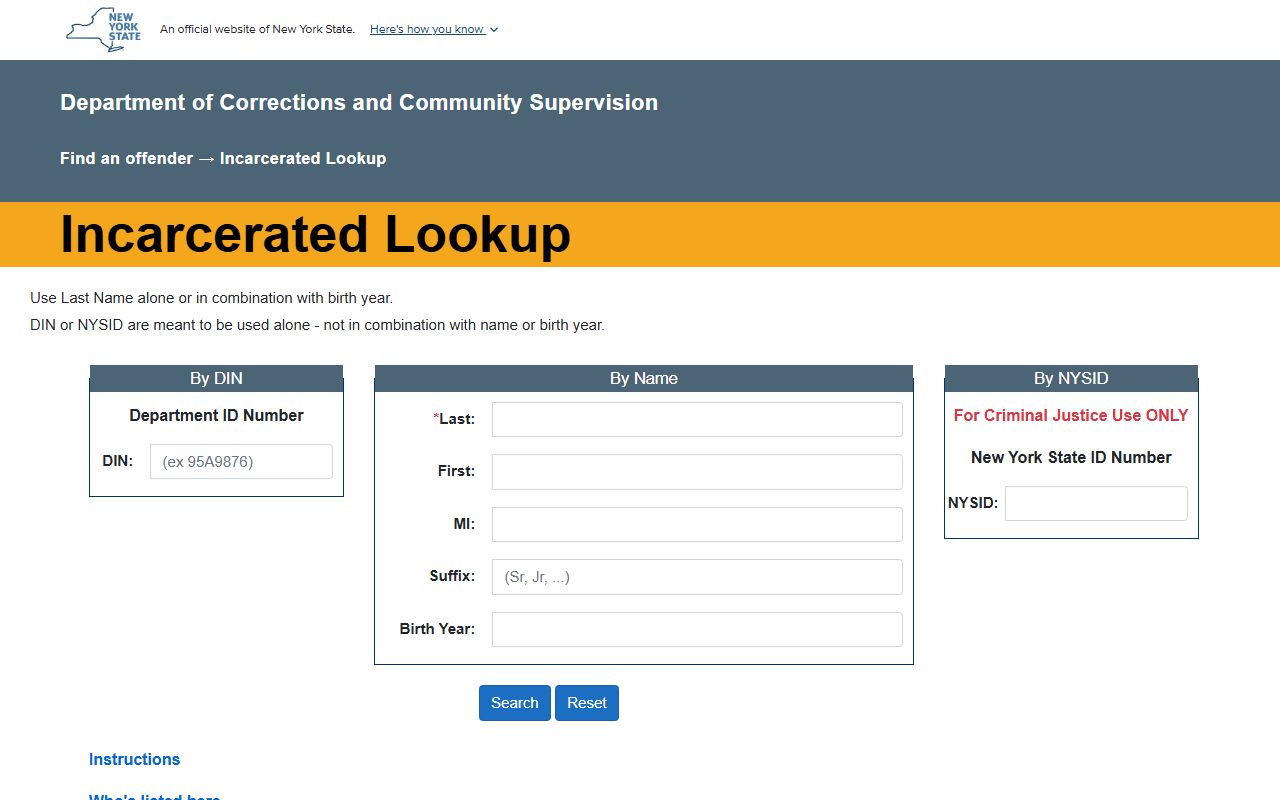
The DOCCS form takes a DIN, a NYSID, or a last and first name, with a birth year to narrow common names. The table lists those fields.
| Field | Type | Required | Notes / Format |
|---|---|---|---|
| DIN | Text | Optional | Department Identification Number for an exact lookup. |
| NYSID | Text | Optional | New York State ID number. |
| Last Name | Text | Optional | Name search. |
| First Name | Text | Optional | Name search. |
| Birth Year | Text / dropdown | Optional | Narrows common names. |
| Search | Button | n/a | Runs the state lookup. |
Federal cases use a separate tool. A person held or released on a federal charge is tracked by the Bureau of Prisons. You can search the BOP inmate locator by number or by name.
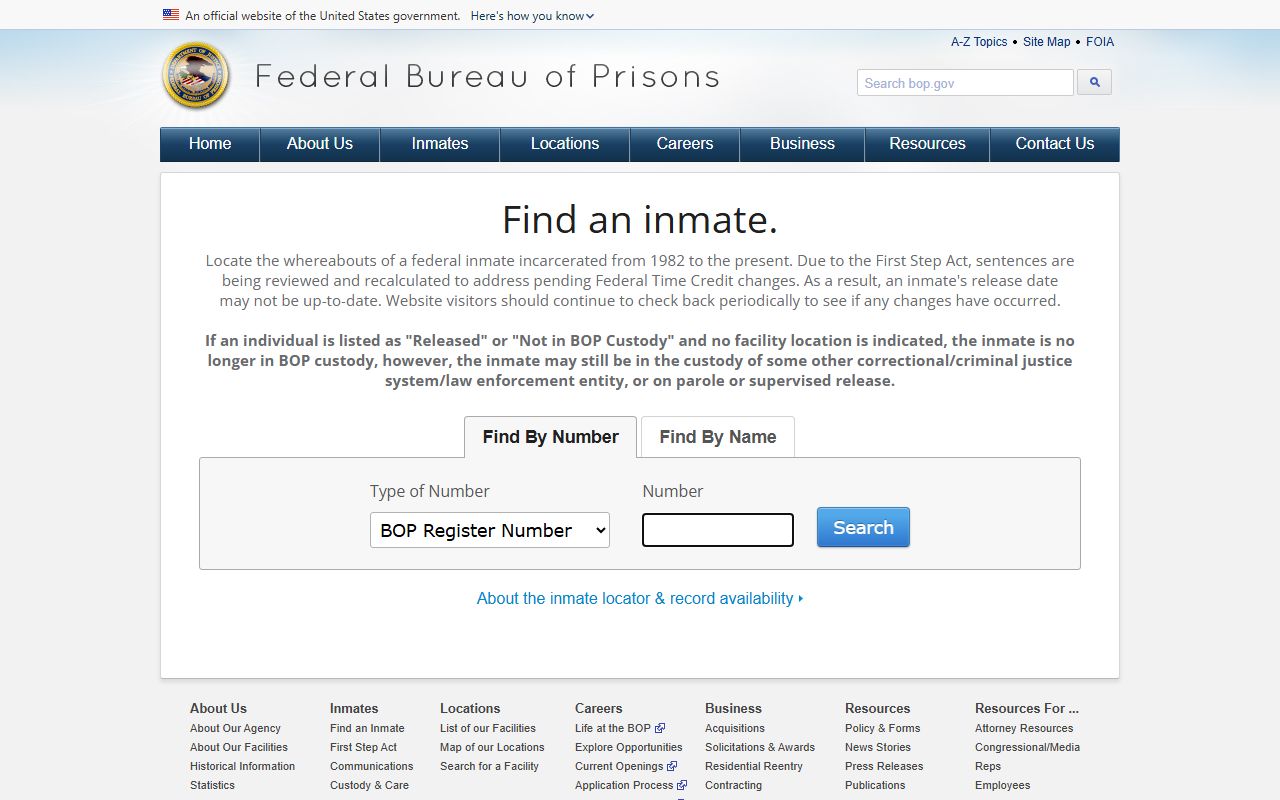
The BOP locator offers a number tab and a name tab, with filters for age, race, and sex. The table lists those fields.
| Field | Type | Required | Notes / Format |
|---|---|---|---|
| Find By Number | Tab | Optional | BOP register, DCDC, FBI, or INS number. |
| Number | Text | Conditional | Exact number lookup. |
| Find By Name | Tab | Optional | Name with filters. |
| First Name | Text | Optional | Name search. |
| Last Name | Text | Required for name search | Name search. |
| Age / Race / Sex | Filters | Optional | Narrows results. |
Verifying Release in Person or by Phone
Online tools do not catch every case. Sometimes you need a person on the line. When the online status is unclear, the court that handled the case is the cleaner source. Bring or have ready the case number, the party names, and the filing year.
Confirm which path applies. The person may have been released outright, moved to DOCCS, sent to federal custody, hospitalized, or held on another warrant or detainer. Each answer points you to a different office. A defense attorney often knows the result first, since counsel receives the release order or the bail decision.
Property return can also delay a clean exit. Items held as evidence follow NYPD property rules. Personal items accepted by DOC are returned under DOC rules. A hold, a warrant, transport, or paperwork can push a release back by hours or more.
The New York Sex Offender Registry
Some released people appear on the state sex offender registry. New York runs a public registry under Correction Law 168-b. You can search by name, county, or zip area, and disclosure depends on the person's risk level and the law. Queens can be selected where a county filter is offered.
The registry is its own database, separate from the jail and prison tools. A person can be off all custody lists yet still appear here. The table lists the search fields.
| Field | Type | Required | Notes / Format |
|---|---|---|---|
| Last Name | Text | Optional | Name search. |
| County | Dropdown | Optional | Select Queens where the filter is provided. |
| Zip Code / Radius | Text / dropdown | Optional | Geographic search. |
| Level | Dropdown | Optional | Disclosure depends on risk level and law. |
| Search | Button | n/a | Runs the query. |
You can run a search on the New York sex offender registry by last name, county, zip, or level.
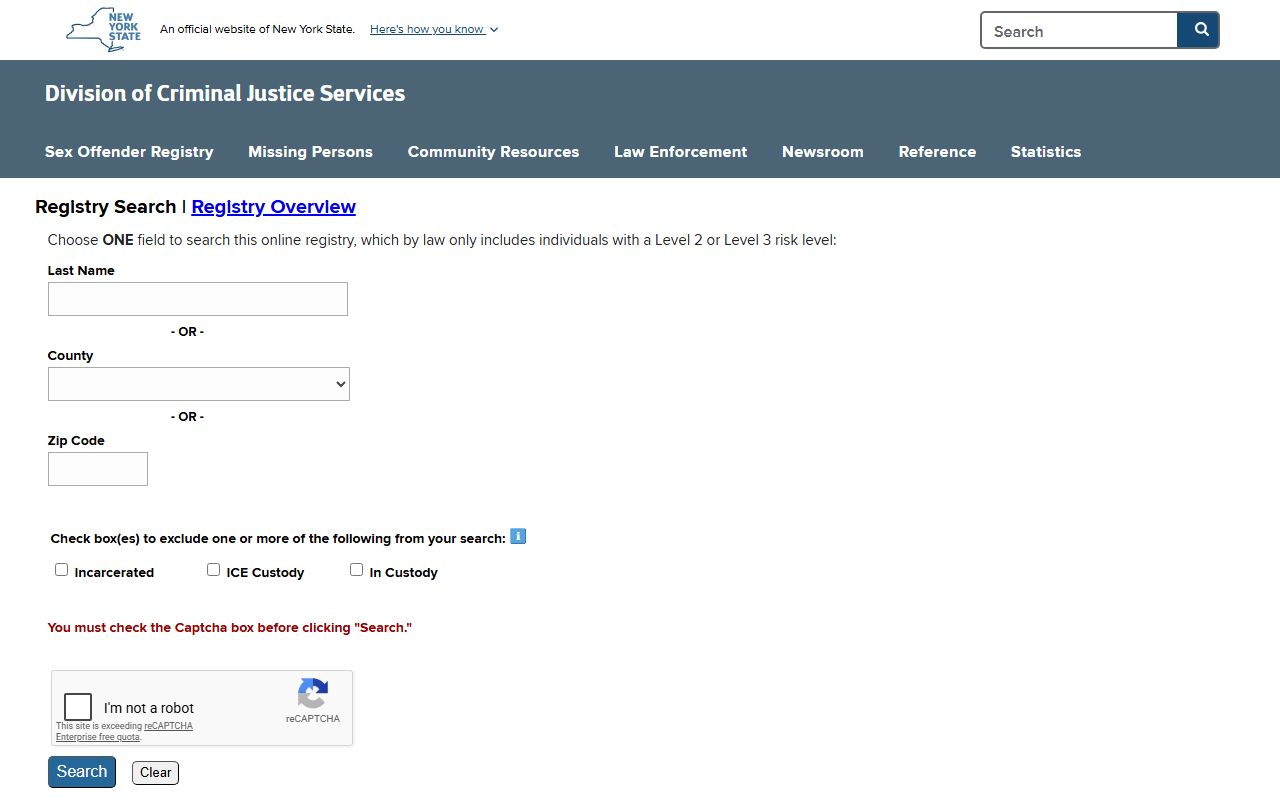
The registry result depends on the law's disclosure rules, so a low-level case may show less than a higher-level one.
Parole and Probation After Release
Release rarely means a clean break from supervision. The type of supervision depends on the sentence. State parole and post-release supervision are run by DOCCS community supervision for people leaving state prison. That is not the same as a city jail release, which usually ends DOC's role.
People sentenced in Queens to local terms or community supervision may report to the NYC Department of Probation. Probation officers handle check-ins, conditions, and neighborhood-based services. A violation can trigger a hearing and, in some cases, a warrant. To check for an open warrant tied to a violation, use the Queens County warrant records page.
Supervision conditions vary widely. They can include reporting, drug testing, treatment, curfews, and travel limits. The exact terms come from the sentencing order, not from a public lookup.
Reentry Resources in Queens
A release is a starting point, not the finish. People leaving custody often need ID, benefits, housing, and legal help fast. Several Queens and citywide groups focus on this work. They handle defense, records, housing, jobs, and family support. Use each group's own site for current program names, since offerings change.
The list below covers the main organizations named in the research. They serve people leaving city jail, state prison, and federal custody alike.
- Queens Defenders runs community and reentry services along with courtroom defense across Queens.
- The Legal Aid Society provides reentry, criminal defense, housing, benefits, and records help across NYC.
- The Fortune Society offers housing, jobs, education, benefits, and counseling for people coming home.
- The Osborne Association handles reentry, family, and workforce services in New York.
- NYC Department of Probation offers neighborhood-based resources for people under supervision.
For identity and benefits, a released person may need a birth certificate, a state ID, Social Security paperwork, and Medicaid or SNAP reactivation. You can reach the two largest Queens-focused groups online through Queens Defenders and The Legal Aid Society.
Civil Rights Restoration After Release
Some rights come back at release, and some do not. Voting is the clearest example. New York allows people with felony convictions to vote when they are not currently incarcerated for a felony, as long as they meet the other voter rules. People on parole or community supervision can register if otherwise eligible.
The practical step is to register or update your registration. You can do that through the NYC Board of Elections voter registration page.
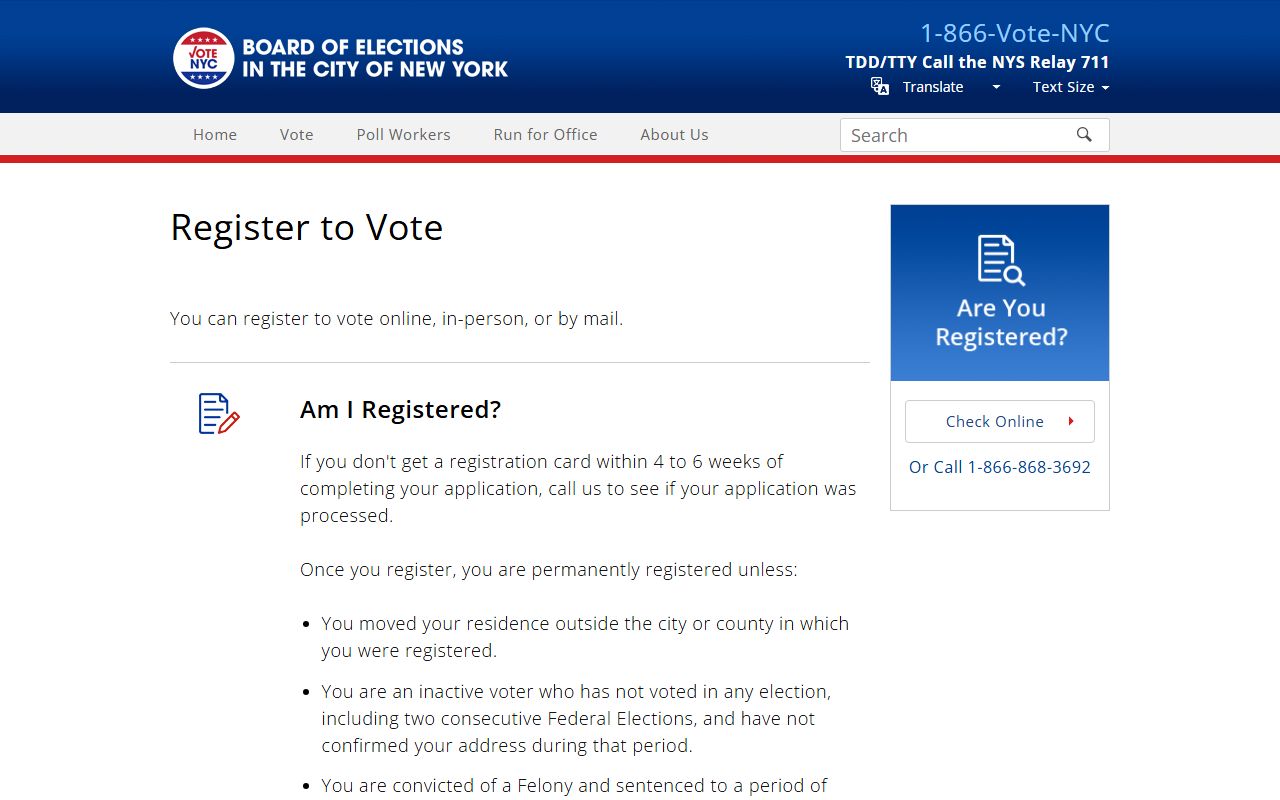
Voter registration is the path back to the ballot once a person is no longer in prison for a felony. Other rights work differently. Firearm rights are not restored just by release; felony and serious-offense convictions can bar possession under state and federal law. Jury eligibility can be affected unless rights are restored under state law.
State custody records sit under the Correction Law. You can read the framework for state correctional records and custody in Correction Law Article 9.
Article 9 sets out how the state handles correctional records and custody, which is the legal backdrop for DOCCS data on released people. Sealed records may still be visible to some licensing agencies, so applicants should read each agency's own disclosure question. Population-level context for the city jail system sits on the Queens County inmate population page.
Public Record Search
Sponsored Results