
How to Find Recent Queens County Arrests
Start with custody, then check the court. A Queens arrest runs from the police precinct to central booking, then to a Criminal Court arraignment, usually within a short time. If the person is held, the New York City Department of Correction becomes the custodian. The NYC DOC inmate lookup is the way to confirm current custody, since Queens detainees are in the city jail system, not a county jail.
The court side tells you the charges. Criminal appearances may show in WebCrims where access allows. The arrest record itself, like the police arrest report, is a city agency record, not a court file. Not every arrest leads to jail. Some people get a desk appearance ticket and are released with a future court date, so they never enter custody at all. In that case, the court docket is the place to track the case, not the jail lookup.
- Check NYC DOC custody if the person may still be held.
- Search WebCrims by defendant name and Queens borough for appearance data.
- Note the docket number once you find the case.
- Contact the Criminal Court clerk for a certificate of disposition.
- Talk to defense counsel for case-specific status.
Full custody steps and the DOC search fields sit on the Queens County inmate records page.
Queens Criminal Court and Supreme Criminal Term
Queens splits criminal cases between two courts. Criminal Court handles arraignments, misdemeanors, violations, and the early stages of felony cases. Once a grand jury indicts a felony, the case moves to the Supreme Court Criminal Term. Both sit in the Kew Gardens court complex on Queens Boulevard.
The split matters for searching. A misdemeanor stays in Criminal Court with a docket number. An indicted felony moves to Supreme Criminal Term with an indictment number. The Queens County Criminal Court and Supreme Court pages cover each one.
Arrest Record vs Criminal Court Record
People mix these up, but they are different files held by different offices. An arrest record is a police agency record. A criminal court record is a court file. One can exist without the other matching, especially after a case is sealed.
| Feature | Arrest Record | Criminal Court Record |
|---|---|---|
| Held by | Police / city agency | The court clerk |
| Shows | The arrest and booking | Charges, pleas, disposition |
| Access | FOIL request to the agency | Court search or clerk request |
| Sealing | Sealed with the case under CPL 160.50 | Sealed on favorable termination |
For the full case history, the court record is the better source. See the Queens County court records page.
What Queens Arrest and Criminal Records Show
A criminal court record carries a fixed set of fields. Reading them tells you where a case stands. The record lists the docket or indictment number, the defendant, the charges with their Penal Law sections, the arraignment date, the bail or release status, each appearance, and the final disposition.
Sealed cases, youthful offender matters, and protected victim details do not appear in a public search. A charge listed in a record is an accusation, never proof of guilt.
- Docket or indictment number - the court's case ID.
- Charges - the offenses and their statute sections.
- Release status - released on recognizance, supervised release, bail, or remand.
- Disposition - dismissal, plea, conviction, or acquittal.
- Orders of protection - issued in some cases, with details restricted.
Charges vs Convictions in Queens Records
This is the most important distinction on any arrest record. A charge is what the prosecutor accuses. A conviction is a finding or plea of guilt. Many charges never become convictions. A case can be dismissed, reduced, or end in an acquittal.
| Term | What It Means |
|---|---|
| Charge | An accusation filed by the prosecution. |
| Conviction | A guilty plea or a finding of guilt. |
| Dismissal | The case ends without a conviction. |
| Acquittal | A not guilty verdict after trial. |
Treating a charge as a conviction is a serious error. For employment or licensing, rely on a certificate of disposition, not a news story or a search hit.
Mugshots and Public Access
New York does not run a public mugshot roster the way some county sheriff sites do. The NYC DOC inmate lookup focuses on custody data, not booking photos. So a Queens arrest does not put a mugshot on a public site by default.
Private mugshot sites often repost old photos, mix up people with similar names, and keep images of sealed or dismissed cases. They are not official. For an accurate record, use the court and agency channels, and consult counsel if a private site posts an inaccurate or sealed image.
Sealed vs Expunged Queens Records
New York uses sealing far more than expungement. Sealing hides a record from ordinary public view but keeps it for limited legal uses. Expungement means full removal, which New York allows mainly for certain marijuana cases. A dismissed case seals automatically under CPL 160.50.
| Status | What Happens |
|---|---|
| Sealed | Hidden from the public, kept for named legal uses. |
| Expunged | Removed; limited to certain marijuana cases in New York. |
| Open | Visible in a public search. |
Old convictions may be sealed by application under CPL 160.59 if the person meets the waiting period and offense limits. The rule sets a path, not an automatic result.
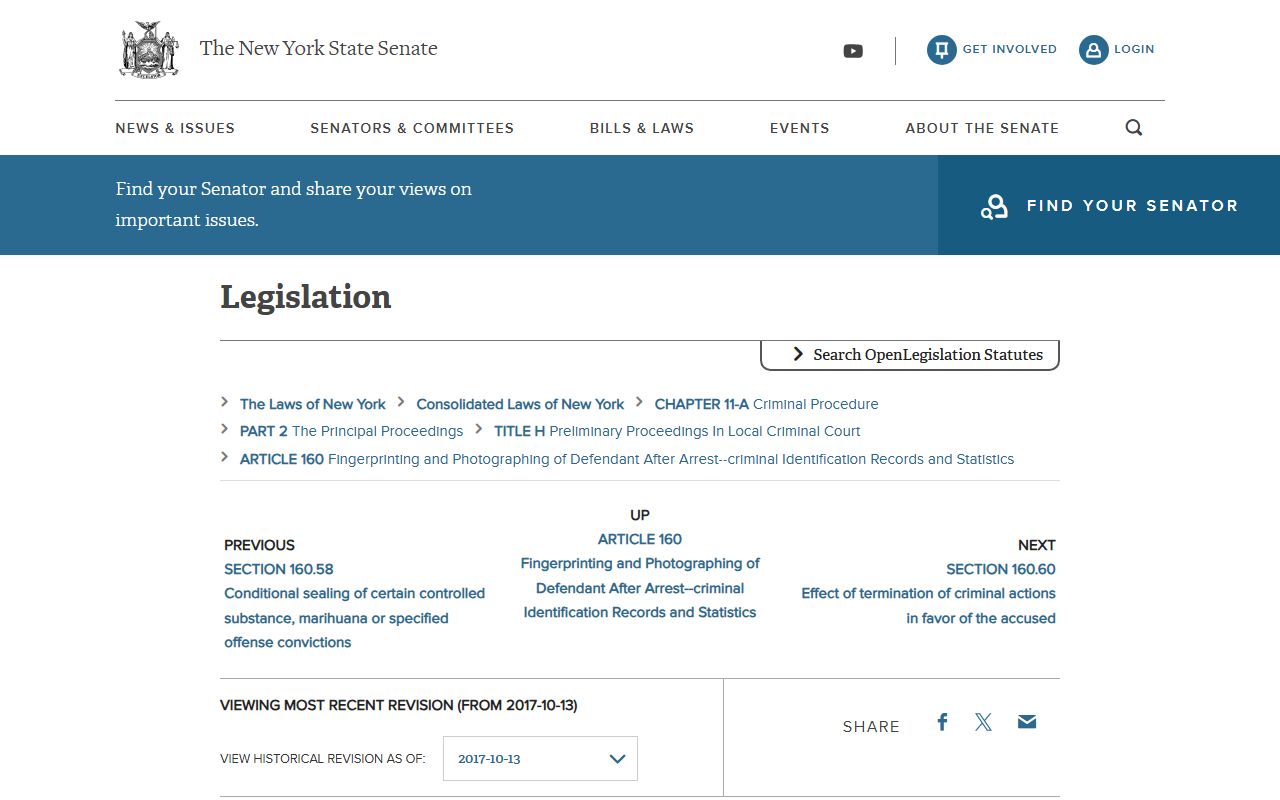
The text of CPL 160.59 lists who qualifies and how the court weighs a sealing request. A separate rule, CPL 160.55, covers sealing after a case ends in a violation or noncriminal outcome.
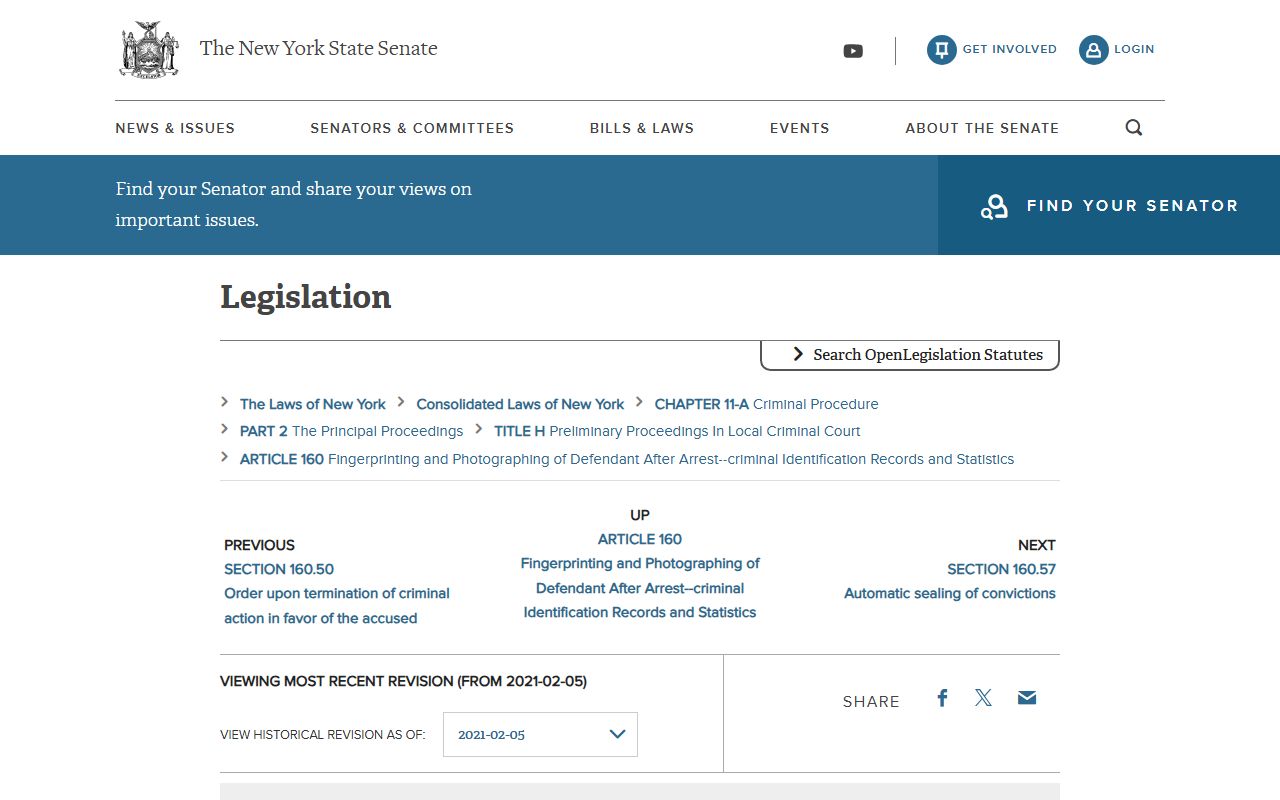
New York's Clean Slate law also changes when some old convictions become sealed after a waiting period. Because the rules and dates are still being put in place, confirm current guidance before relying on automatic sealing.
The Queens DA and Public Defense
The Queens County District Attorney prosecutes crimes in Queens. The elected DA, Melinda Katz, leads an office with bureaus for major crimes, domestic violence, special victims, appeals, and conviction integrity. Victims and witnesses use the DA site for services and case contact.
The Queens District Attorney publishes contact information and victim services. On the defense side, a person who cannot afford a lawyer can ask for appointed counsel at arraignment.

Queens Defenders and The Legal Aid Society provide indigent defense, reentry help, and related services. A defendant should not contact the DA directly about a represented case without counsel.
Background Checks and Certificates of Disposition
A WebCrims search is not a background check. It shows appearance and case data, not a full criminal history. The official proof of how a case ended is a certificate of disposition from the criminal court clerk. You give the defendant name, the docket or indictment number, and identification, then pay the clerk fee.
Sealed cases are restricted from ordinary access, though law enforcement and some licensing bodies may still see them. For DUI or DWI cases, which are criminal traffic matters, see the traffic court records page. Active warrants are covered on the warrant records page.
Note: Never use a private people-search site as proof of a Queens criminal record; those sites mix stale data, sealed cases, and people with similar names.
Public Record Search
Sponsored Results